Eco Tourism in Eravikulam National Park – A Complete Guide to Responsible Travel in Munnar
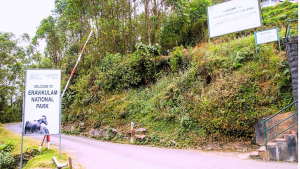
Eco Tourism in Eravikulam National Park – A Complete Guide to Responsible Travel in Munnar
Discover eco tourism in Eravikulam National Park, Munnar. Learn about sustainable travel, wildlife, the best time to visit, and responsible tourism tips.
Introduction: Why Eco Tourism in Eravikulam National Park Matters
Nestled in the rolling hills of Munnar, Kerala, Eravikulam National Park is more than just a popular tourist destination. It is a shining example of eco tourism in India, where nature conservation and responsible travel go hand in hand. Famous for the endangered Nilgiri Tahr, lush grasslands, and breathtaking views of the Western Ghats, the park attracts nature lovers who want to explore without harming the environment.
This article explores eco tourism in Eravikulam National Park, explaining how sustainable tourism works here, what makes the park unique, and how visitors can enjoy an unforgettable experience while protecting nature. If you are planning a trip to Munnar or searching for responsible travel destinations in Kerala, this guide will help you make informed choices.
What Is Eco Tourism?
Conserving the natural environment
Supporting local communities
Educating visitors about nature and wildlife
Minimizing negative environmental impact
Unlike mass tourism, eco tourism promotes low-impact travel and encourages visitors to respect wildlife, culture, and ecosystems.
Eravikulam National Park is often cited as one of the best eco tourism destinations in Kerala, thanks to its strict conservation policies and controlled visitor access.
Overview of Eravikulam National Park
Location and Significance
Eravikulam National Park is located near Munnar in Idukki district, Kerala. Spread across high-altitude grasslands and shola forests, it forms part of the Western Ghats biodiversity hotspot, a UNESCO World Heritage region.
Key Highlights of the Park
Home to the Nilgiri Tahr, an endangered mountain goat
Rolling grasslands and misty hills
Anamudi Peak, the highest point in South India
Rare flora, including seasonal blooming of Neelakurinji
These natural features make the park ideal for nature-based tourism and conservation-focused travel.
Role of Eco Tourism in Eravikulam National Park
Eco tourism here is carefully planned to balance visitor experience with environmental protection. The park authorities have implemented several measures to ensure sustainability.
Controlled Entry and Visitor Management
To reduce human impact:
Daily visitor numbers are limited
Entry is allowed only during fixed hours
Motor vehicles are restricted near sensitive zones
This approach helps preserve fragile ecosystems while offering a peaceful experience to visitors.
Environment-Friendly Transportation
Visitors are transported using eco-friendly buses from the base point to Rajamalai, the main tourism zone. This reduces pollution, noise, and traffic congestion inside the park.
Wildlife Conservation Through Eco Tourism
One of the main goals of eco tourism in Eravikulam National Park is wildlife protection.
Protecting the Nilgiri Tahr
The park plays a critical role in conserving the Nilgiri Tahr population. Eco tourism revenue supports:
Habitat restoration
Anti-poaching activities
Wildlife monitoring programs
By visiting responsibly, tourists indirectly contribute to the survival of this rare species.
Birdlife and Biodiversity
Apart from mammals, the park is home to:
Rare butterflies and insects
Endemic bird species
Medicinal plants and native grasses
Guided visits help raise awareness about biodiversity without disturbing natural habitats.
Sustainable Tourism Practices Followed in the Park
Plastic-Free and Waste Management
To promote green tourism:
Single-use plastic is discouraged
Littering is strictly prohibited
Waste segregation is enforced
Visitors are encouraged to carry reusable water bottles and eco-friendly products.
Nature Education and Awareness
Eco tourism in Eravikulam National Park also focuses on learning. Information boards, trained guides, and interpretation centers educate visitors about:
Local ecosystems
Climate change impact
Importance of conservation
This makes the visit meaningful, especially for students and families.
Best Time to Experience Eco Tourism in Eravikulam National Park
The park is usually open from September to March, depending on weather conditions.
Ideal Seasons
October to February: Pleasant climate, clear views, ideal for eco tourism
March to May: Slightly warmer but good for wildlife spotting
The park remains closed during the monsoon months for ecological recovery and animal safety.
How Eco Tourism Benefits Local Communities
Eco tourism does not only protect nature; it also supports people living nearby.
Employment Opportunities
Local residents benefit through:
Jobs as guides and staff
Transport and hospitality services
Sale of local products
This creates a strong link between conservation and livelihood.
Promoting Responsible Travel Culture
When communities benefit from eco tourism, they become active protectors of forests and wildlife, ensuring long-term sustainability.
Responsible Travel Tips for Visitors
If you want to enjoy eco tourism in Eravikulam National Park responsibly, keep these tips in mind:
Follow all park rules and guidelines
Avoid loud noises and feeding animals
Stick to marked paths and viewing areas
Respect wildlife and natural surroundings
Do not pluck plants or disturb habitats
Small actions by visitors make a big difference in preserving nature.
Why Eravikulam National Park Is a Model Eco Tourism Destination
Eravikulam National Park stands out because it successfully combines:
Conservation-focused management
Visitor education
Sustainable tourism infrastructure
It proves that tourism and nature protection can coexist when planned responsibly. For travelers seeking eco-friendly travel in Kerala, this park is a must-visit destination.
Conclusion: Travel Responsibly, Protect Nature
Eco tourism in Eravikulam National Park offers a perfect opportunity to connect with nature while supporting conservation efforts. From protecting endangered wildlife to promoting sustainable travel habits, the park sets a high standard for responsible tourism in India.
If you are planning a trip to Munnar, choose eco tourism experiences that respect nature and local communities. Your visit can help preserve this beautiful landscape for future generations. Share your thoughts, experiences, or questions in the comments and inspire others to travel responsibly.
Frequently Asked Questions (FAQ)
1. What makes Eravikulam National Park ideal for eco tourism?
The park follows strict conservation rules, limits visitors, uses eco-friendly transport, and focuses on wildlife protection and education.
2. Is eco tourism safe for wildlife in Eravikulam National Park?
Yes, controlled access and responsible tourism practices minimize disturbance to animals and their habitats.
3. Can families and children visit the park?
Yes, the park is suitable for families and offers educational value for children interested in nature and wildlife.
4. How does eco tourism help local communities?
It creates jobs, supports local businesses, and encourages communities to protect natural resources.
5. What should visitors avoid during their visit?
Avoid littering, making loud noises, feeding animals, and using plastic items inside the park.
Marayoor Near Munnar – 10 Best Things to Do (2026)

Padi Igguthappa Temple Coorg

Arakkal Museum, Kannur – A Window into Kerala’s Only Muslim Royal Dynasty
About The Author
