Attukad Waterfalls Munnar – A Complete Travel Guide
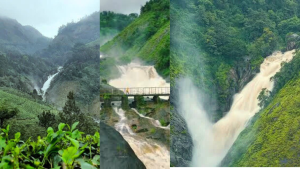
Discover Attukad Waterfalls Munnar, a scenic Kerala attraction. Learn the best time to visit, location details, travel tips, and nearby tourist places.
Introduction
If you are planning a trip to Munnar and love peaceful natural spots, Attukad Waterfalls Munnar deserves a place on your itinerary. Surrounded by lush green hills, tea plantations, and misty valleys, this waterfall offers a refreshing escape from busy tourist crowds. In this article, you will find everything you need to know about Attukad Waterfalls, including how to reach, the best time to visit, and useful travel tips to make your trip memorable.
What Makes Attukad Waterfalls Special?
Attukad Waterfalls is known for its raw natural beauty and calm surroundings. Unlike some crowded tourist places in Munnar, this spot feels untouched and serene. The water flows down rocky slopes, especially during the monsoon season, creating a soothing and scenic view.
Highlights of Attukad Waterfalls
Located between Munnar and Pallivasal
Surrounded by dense forests and rolling hills
Ideal for nature lovers and photographers
Free entry and easy roadside access
Location and How to Reach Attukad Waterfalls
Attukad Waterfalls is located about 9 km from Munnar town, making it easy to include in your Munnar sightseeing plan.
How to Reach
By Road: Easily accessible by car, taxi, or bike from Munnar
Nearest Railway Station: Aluva (approx. 110 km)
Nearest Airport: Cochin International Airport (approx. 110 km)
Private taxis and local tour operators often include Attukad Waterfalls in popular Munnar travel packages, which is convenient for first-time visitors.
Best Time to Visit Attukad Waterfalls Munnar
The beauty of Attukad Waterfalls changes with the seasons, but timing your visit can make a big difference.
Ideal Visiting Seasons
Monsoon (June to September): Best for strong water flow and greenery
Post-Monsoon (October to February): Pleasant weather and safe sightseeing
Summer (March to May): Less water flow, but good for a quiet visit
Early morning or late afternoon is ideal to avoid crowds and enjoy soft natural light.
Things to Do Near Attukad Waterfalls
While the waterfall itself is the main attraction, the surrounding area offers more to explore.
Nearby Activities
Nature walks through tea plantations
Photography and short video shoots
Relaxing by the stream (avoid slippery rocks)
Nearby Tourist Places in Munnar
Pallivasal Falls
Blossom Park
Tea Museum
Echo Point
These spots are often searched as top tourist places in Munnar, making Attukad a great addition to a full-day trip.
Travel Tips for Visitors
To ensure a safe and enjoyable visit, keep these tips in mind:
Wear shoes with good grip
Avoid visiting during heavy rain
Do not litter; keep the area clean
Supervise children at all times
These small precautions help preserve the natural beauty of this Kerala waterfall.
Conclusion
Attukad Waterfalls Munnar is a perfect destination for travelers who want to experience nature without noise or crowds. Its easy accessibility, scenic beauty, and peaceful atmosphere make it one of the best hidden waterfalls near Munnar. If you are planning a Kerala hill station trip, don’t miss this charming spot. Share your experience in the comments and let others know why Attukad Waterfalls deserves a visit.
1. Is Attukad Waterfalls safe to visit?
Yes, it is generally safe, but caution is advised during the monsoon season due to slippery rocks.
2. Is there an entry fee for Attukad Waterfalls?
No, there is no entry fee to visit Attukad Waterfalls.
3. How much time is needed to explore Attukad Waterfalls?
Around 30 to 60 minutes is enough for a relaxed visit.
4. Can families visit Attukad Waterfalls?
Yes, it is suitable for families, but children should be supervised closely.
5. Is Attukad Waterfalls open all year?
Yes, it is open year-round, but the best views are during and after the monsoon.

Coorg Tour & HolidayPackages

Ezhimala Kannur–Hills,Coast,History&Travel Guide

Abbey Water Falls Coorg
About The Author
